
The Lie That Shook Wrestling: How Hulk Hogan’s Steroid Denial Rocked WWE to Its Core
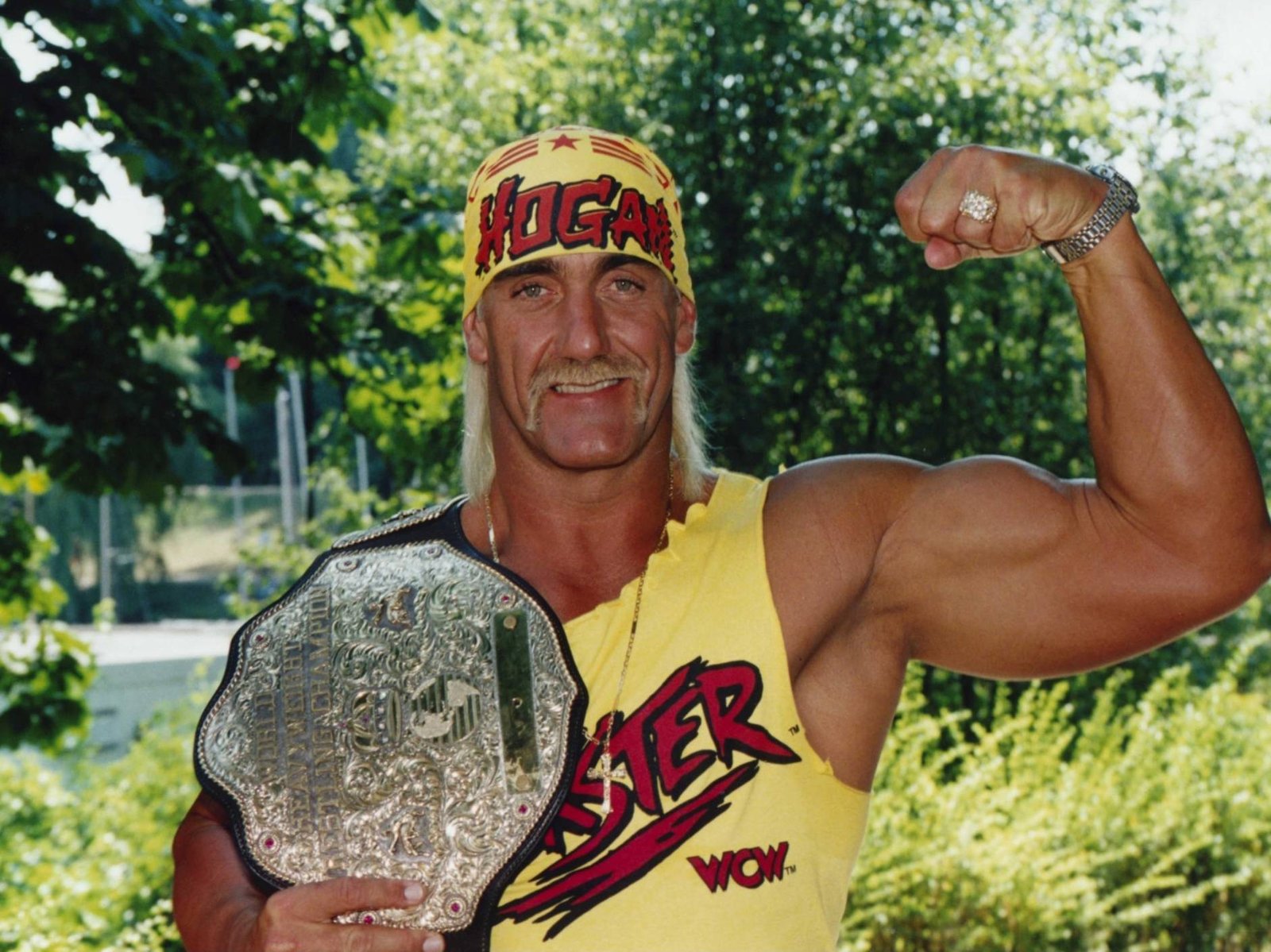
When wrestling icon Hulk Hogan passed away last week, fans were left with a mix of admiration and discomfort. Yes, Hogan was the superstar who carried WWE (then WWF) to unimaginable heights in the 1980s and transformed the industry again during his nWo days in WCW. But behind the mustache, the red and yellow, and the “say your prayers and eat your vitamins” mantra was a deeply flawed man named Terry Bollea.
Among his many tall tales and controversies, one moment still stands as his most damaging lie — the infamous 1991 appearance on The Arsenio Hall Show, where Hogan told the world he never abused steroids. That one statement didn’t just stain his own legacy. It nearly brought the entire WWE empire crashing down.
The world knew that Hulk Hogan was lying, and Vince McMahon knew it.
In the late ’80s and early ’90s, WWE’s image was squeaky clean – a land of superheroes in spandex. But that illusion cracked when federal investigators began targeting Dr. George Zahorian for illegally supplying steroids to wrestlers. As the scandal snowballed, wrestling stars like “Superstar” Billy Graham admitted to using steroids.
Hulk Hogan, however, took the national stage in 1991 and told Arsenio Hall:
“I’m not a steroid abuser and I do not use steroids.”
He later added that he had only used them a few times for injury recovery. But this wasn’t true – and Vince McMahon knew it. In his Netflix documentary, Vince revealed that he begged Hogan to just tell the truth. But Hogan didn’t. And that lie made things worse – for everyone.
The Fallout: Smaller Hogan, Smaller WWE
By 1993, Hogan’s appearances were fewer and his body noticeably smaller. Fans noticed. WrestleMania 9 showcased a Hulk Hogan that didn’t quite look like the towering superhero of years past – and whispers grew louder that he had ditched steroids to avoid scrutiny.
Later that year, Hogan left WWE quietly after a brief feud with Yokozuna. Though he protected McMahon during the 1994 steroid trial, finally admitting he had used steroids to bulk up, the damage was irreversible.
The superhero to millions had lied.
WWE Without Hulkamania: A Shrinking Legacy
Hogan’s exit left WWE in a tough spot. With bulky bodybuilders now under suspicion, WWE transitioned into the “New Generation” era where smaller stars like Bret Hart and Shawn Michaels took center stage. While these men were incredible wrestlers, they lacked the over-the-top personas that previously drew mainstream fans.
For the first time in a decade, WWE struggled.
Ratings dipped. Trust in the product faltered. And WCW, ironically led by Hogan’s new villainous persona in the nWo, began dominating the wrestling war.
Redemption Came From Rebellion
The Attitude Era, which featured edgy performers like Stone Cold and The Rock, was when WWE really made a comeback. The larger-than-life characters returned, but this time with grit, flaws, and reality baked in. The clean-cut superhero model was gone, replaced by real people with raw stories.
But even as WWE rebounded, the cloud of Hulk Hogan’s lie lingered. His denial of steroid abuse didn’t just tarnish his name—it changed how fans viewed every star who followed. Every chiseled wrestler was now questioned, and every feel-good promo outside the ring felt less sincere.
Final Thoughts
HuThe most well-known figure in wrestling history, W.K. Hogan, almost brought down the entire industry with his most well-known lie.hile he eventually admitted the truth, it was too late to stop the fallout.
AnEven though wrestling survived the chaos—in fact, flourished—it never again had complete faith in its heroes.
Summary:
Hulk Hogan’s 1991 lie on The Arsenio Hall Show—denying steroid use—not only damaged his legacy but triggered a massive scandal that nearly destroyed WWE. While Hogan later admitted to using steroids, the fallout led to declining fan trust, WWE’s downturn in the ’90s, and a forced shift in how wrestling portrayed its stars. It took the rebellious Attitude Era to rescue WWE—but Hogan’s deception left scars the industry still feels today.